
Latest news…
Music Makers: with Amy J Payne, Mezzo-soprano, Actor and Director
Music Makers: with Robert Howarth, Conductor
Music Makers: with John Savournin, Bass-Baritone, Director, Producer
Music Makers: with Robert Howarth, Conductor
Music we love and live with
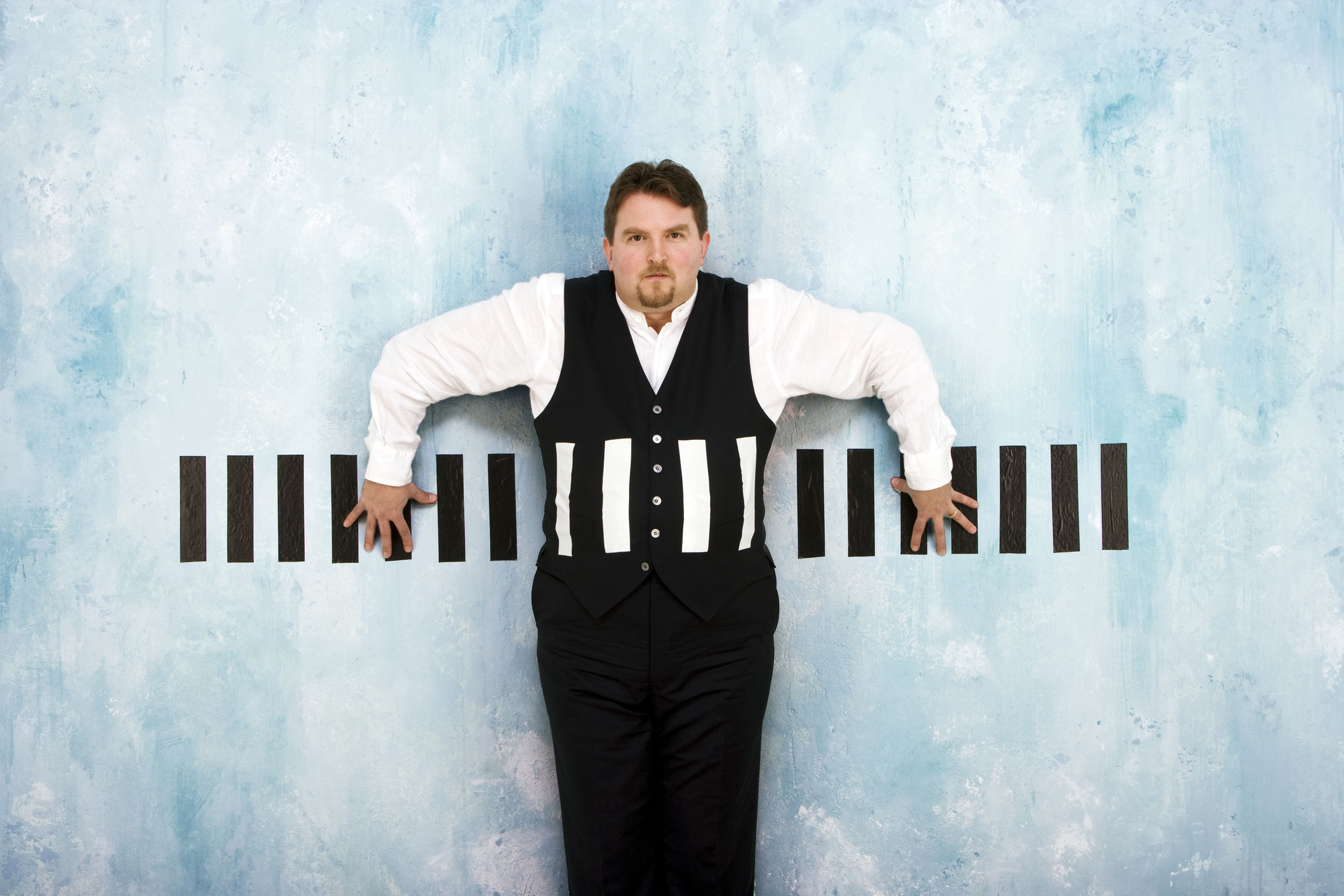
We are delighted to welcome Robert Howarth, a distinguished conductor, harpsichordist and director celebrated for his scholarly insight, dramatic instinct and collaborative spirit. A regular partner of the Orchestra of the Age of Enlightenment, his acclaimed career spans opera, orchestral music and historically informed performance, from Monteverdi to Mozart, Glyndebourne to Broadway, bringing vivid artistry and theatrical imagination to every project.
Piece you hum round the house / sing in the shower
This changes on an almost daily basis! Sometimes it is the piece I’m working on, sometimes it can be the last musical number my daughter has been singing (The Addams Family at the moment), and sometimes it can be totally random. Recently the random category has thrown “Sheila take a bow” (The Smiths), and as I’ve been working on Monteverdi’s L’Orfeo, I have been known to sing Proserpina’s opening lines from Act 4, because it’s brilliant.
First piece you remember studying or conducting
At university, I put on a performance of Monteverdi’s Il combattimento di tancredi e clorinda, but the first big public performance I undertook was Monteverdi’s Vespers (are you spotting a thread yet?). That was great fun, but it did cost me a fair bit of money. However, it cemented a lot of good friendships that I’ve maintained ever since.
Work/piece you return to professionally
For sheer quantity of performances, that would be Messiah. I have to say it remains a joy to return to each time. I have conducted it around Spain with their amazing, massed choirs. Sometimes using a period instrument band, but sometimes with their local orchestras. Each time it is different. I’ve loved working with both modern and period ensembles, different choirs, and different soloists. There’s such drama in the way Handel sets the texts, and having also performed a number of his operas too, I relish shaping the ‘scenes’ of the piece.
Last piece of music you deliberately chose to listen to
Non-choral would be Bartok’s Concerto for Orchestra; chorally Martin’s Mass for Double Choir, and operatically, Billy Budd and Peter Grimes (in one sitting). The Bartok, because it’s wonderful and why wouldn’t you; the Martin, because we were finishing our summer term at the University Church in Oxford singing it; and the two Britten works because Budd was on at Glyndebourne (where I was working on L’Orfeo) and I had forgotten just how good Britten’s (not very cheerful) operas are.
Work you feel most emotionally connected to
I don’t think I can be completely specific about that, or it would be a really long list. There is a time period from where I feel that most of the music I know resonates with my soul, and that is 1550-1640 (give or take). That could be Elizabethan consort music, Palestrina, Victoria, Byrd, Tallis, Monteverdi (unsurprisingly), Schutz, etc. There is something about the use of harmony, and the persuasive use of counterpoint and dissonance that just chimes with me. That is not to say that every other period of music lacks this, but I see the birth of all that I love about music in this era. If I’m forced to pick one piece out of this time, I can’t, I just spent ages trying!
Work you would love to conduct one day
Either (sorry) The Rake’s Progress (Stravinsky), or Dvorak’s New World Symphony. The latter because it blew me away when I was a young boy and was one of about 6 classical LPs my parents had; and the former because it is a neo-classical gem, and I would still hopefully get to direct from the harpsichord. It would certainly place me well out of my comfort zone, but I expect, like the Dvorak, I will have to self-fund it.
Explore more of Robert Howarth’s work https://www.caroline-phillips.co.uk/artist/robert-howarth/